June 3, 2026
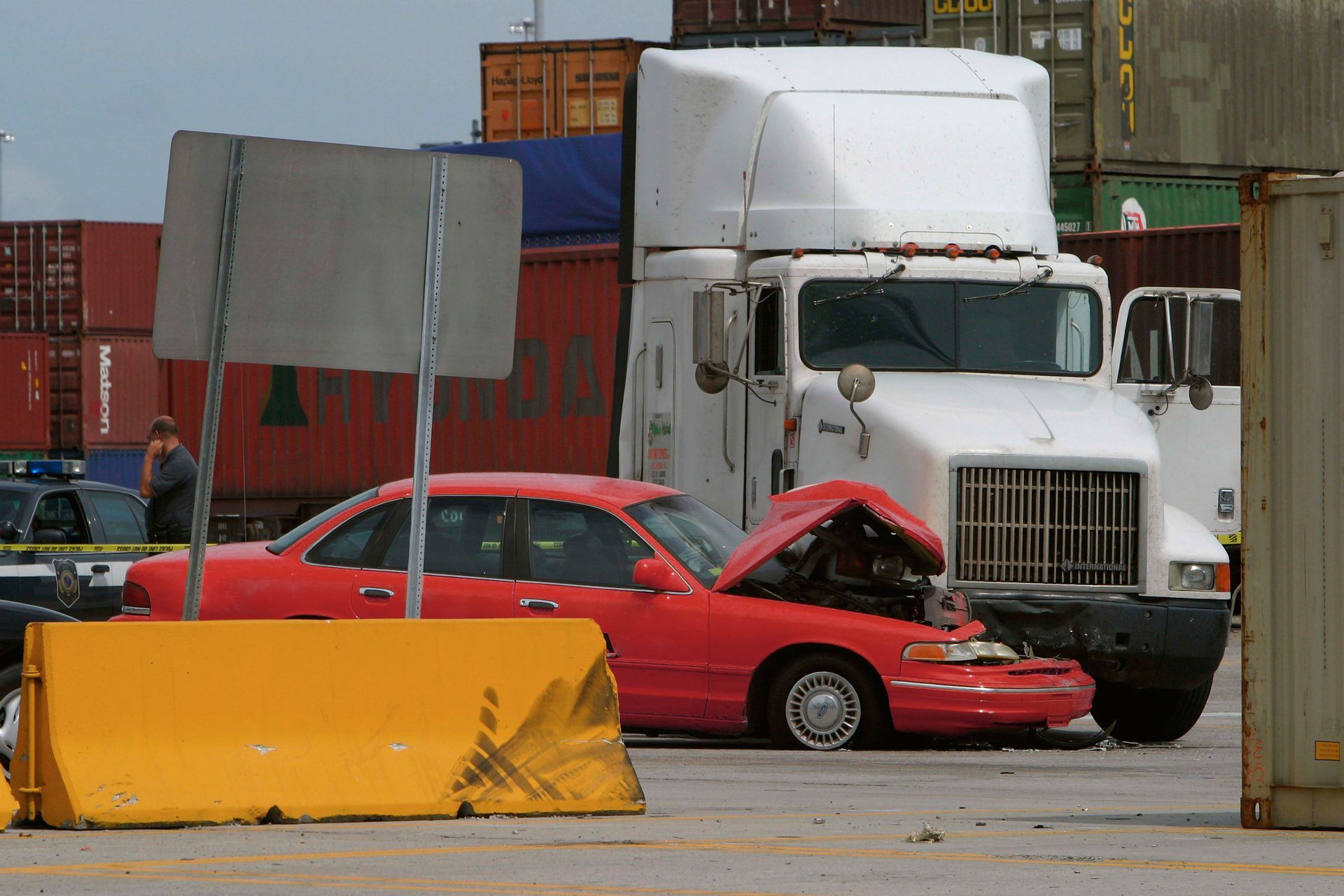
The immediate aftermath of a commercial truck accident is a blur of noise, blinding adrenaline, and overwhelming confusion. In a single split second, the violent force of an eighty-thousand-pound semi-truck colliding with a standard passenger vehicle can completely upend your life. Unlike ordinary fender-benders involving two passenger cars, commercial trucking accidents are catastrophic events that bring unique physical, psychological, and legal challenges. You are not just dealing with dented bumpers; you are dealing with a complex web of multi-state regulations, massive corporate entities, and aggressive insurance defense teams whose primary goal is to minimize their financial liabilities at your expense.
Knowing exactly what steps to take in the minutes, hours, and days following an accident is absolutely critical. The actions you take—or fail to take—while standing on the side of the highway can exert a profound, lasting impact on your physical recovery and your subsequent ability to secure fair compensation for your medical bills, lost wages, and emotional trauma. This comprehensive guide serves as an operational blueprint to help navigate the high-stakes landscape after a commercial vehicle crash, walking you step-by-step through the vital safety protocols, evidentiary processes, and legal strategic maneuvers necessary to protect your health and your rights.
1. Prioritize Immediate Safety and Medical Evaluation
The absolute first priority after any major crash is ensuring personal safety and mitigating further physical harm. Because highways and major arterials are highly dangerous environments, you must quickly evaluate whether it is safer to remain inside your vehicle or move to a secure location away from moving traffic.
Move to Safety If Possible
If your vehicle is functional and its position poses an imminent risk of a secondary collision, carefully guide it to the shoulder of the road. However, if the vehicle is severely damaged or if you experience sharp pain, structural neck or back stiffness, or dizziness, do not attempt to move. If you can safely exit the vehicle, step away from the active roadway entirely, moving behind guardrails or onto embankment areas to insulate yourself from oncoming traffic that may fail to see the wreckage in time.
Call 911 Immediately
Never let a commercial truck driver talk you into handling the situation privately without involving law enforcement. Dial 911 immediately to summon emergency medical technicians (EMTs) and police officers to the scene. When speaking with dispatchers, clearly state your exact location, the involvement of a large commercial truck, and an honest assessment of injuries. Police presence is mandatory because they will generate an official accident report, which a skilled truck accident lawyer will later use as a foundational pillar of evidence for your legal claim.
Accept Emergency Medical Treatment
When EMTs arrive, allow them to examine you completely. Adrenaline is a powerful biological masking agent; during a high-stress crisis, your body floods your system with endorphins and cortisol, which can completely numb you to severe internal injuries, soft-tissue tears, or concussions. Refusing medical treatment at the scene creates an immediate documentation gap that insurance adjusters will exploit later to claim your injuries were either non-existent or caused by an unrelated event after the accident.
2. Document the Scene with Meticulous Precision
Once your safety is reasonably secured and medical personnel are managing immediate emergencies, you must pivot into an evidence-preservation mindset. The physical scene of a truck accident is highly volatile; skid marks fade, debris is swept away by highway cleanup crews, and vehicles are towed to disparate storage yards. Capturing high-quality documentation right away provides an experienced truck accident lawyer with the raw materials needed to construct a winning case.
Photographic and Video Evidence
Utilize your smartphone camera to capture extensive photographic and video records from multiple distances and angles. Do not just take close-up photos of the damage to your own vehicle; ensure you capture the entire scene layout. Be certain to photograph the resting positions of all involved vehicles relative to lane markers, exits, and traffic signs. You should also capture the structural damage on the commercial truck, including the point of impact on the trailer and the cab.
Identify the Trucking Information
Commercial trucking operations involve multiple nested corporate layers, meaning the driver may not own the vehicle, and the trailer may belong to an entirely separate logistics entity. You must locate and document specific identification markers. Photograph the commercial driver’s license (CDL), the truck’s license plates, and the corporate logos printed clearly on the side of the tractor cab. Crucially, look for and record the U.S. Department of Transportation (USDOT) and Motor Carrier (MC) identification numbers painted on the driver-side door. Sharing these numbers with your truck accident lawyer allows them to immediately unlock public safety databases that reveal the fleet's historical compliance records.
3. Gather Witness Accounts and Information
Independent witnesses provide the objective clarity that insurance companies cannot easily dismiss. Drivers of other passenger cars who stopped to render aid or pedestrians who observed the traffic signals when the collision occurred have no financial stake in the outcome of your claim, making their testimony uniquely persuasive.
When speaking to witnesses, quickly ask for their name, phone number, and email address. Do not wait for the police officer to take down their information, as officers sometimes overlook recording the contact data of bystander witnesses if they are focused on managing traffic flow or treating critical injuries. A qualified truck accident lawyer will want to follow up with these individuals as soon as possible to secure formal statements.
If a witness is in a hurry and cannot stay for the arrival of law enforcement, ask if they would mind letting you record a brief 30-second audio or video statement on your phone describing exactly what they saw. Ask them specific questions: Was the truck speeding? Did the truck driver change lanes without signaling? Was the traffic light red when the truck entered the intersection? This raw, unfiltered immediate evidence can break an administrative stalemate later on when your truck accident lawyer sits down to negotiate with the trucking company's defense team.
4. Understand the Unique Complexity of Trucking Litigation
It is dangerous to view a commercial truck accident as merely a larger version of a standard car accident. The legal framework surrounding the commercial transportation industry is highly specialized and requires an advanced understanding of federal oversight and corporate structures.
The Federal Regulatory Landscape
Interstate commercial trucking is governed by a strict set of rules known as the Federal Motor Carrier Safety Regulations (FMCSRs). These federal laws dictate every single aspect of a truck driver’s professional life and a fleet’s operation, including mandatory hours-of-service (HOS) limits designed to combat driver fatigue, mandatory pre-employment and random drug testing, strict weight limits, and rigorous vehicle maintenance schedules. Proving a trucking case often requires demonstrating that the driver or the carrier explicitly violated these federal safety standards, an intricate task that a specialized truck accident lawyer handles by performing deep-dive compliance audits on corporate operational logs.
The Reality of Modern Legal Infrastructure
The evolution of modern logistics means that tracking these regulatory violations relies heavily on data. Technology plays an increasingly dominant role in how accidents are analyzed, investigated, and litigated. According to Clio, 89% of legal professionals believe court systems can be improved with better access to technology. This insight underscores the broader transformation within the legal sector: as courts adopt digital tools to streamline complex litigation, injury victims must leverage sophisticated digital forensics to prove their cases. Navigating this increasingly technical legal landscape requires a tech-savvy truck accident lawyer who utilizes tools that match the modernization of both the courts and the trucking lines themselves.
A commercial truck accident is an incredibly traumatic, life-altering event, but you do not have to navigate the complex road to recovery alone. By prioritizing immediate medical care, systematically gathering evidence at the scene, refusing to fall victim to the deceptive tactics of corporate insurance adjusters, and moving swiftly to preserve critical black box data through a qualified attorney, you effectively level the playing field. Taking these structured, decisive actions ensures your health is protected and establishes the unshakeable foundation required to hold negligent trucking operations accountable, securing the comprehensive financial compensation you need to truly rebuild your life. Call Trabosh & Trabosh today to learn more.